
SUSTAINABLE TRANSPORTATION
The Eco-Friendly Mobility for a Greener Future

What is Sustainable Transportation?
Understanding Green Mobility & its Role
Sustainable transportation also known as green mobility, are transportation modes that rely on renewable fuels, are environmentally friendly, and produce clean emissions. It is introduced to reduce greenhouse gas emission and protect the environment in respond to the rapid urbanisation of humanity.
Enhancing Mobility and Environment
Key Aspects of Sustainable Transportation

Seamless Mobility
A well-developed transportation network improves accessibility, reduces travel time, and increases productivity for individuals and businesses.

Traffic Reduction
A well-planned transportation system and sustainable mobility alternatives, significantly reduces road congestion and improves traffic efficiency.

Resource Sustainability
The promote of green mobility help achieving zero-emissions, reducing air pollution, and decreasing reliance on depleted energy resources such as fossil fuels and natural gas.

Economic Growth
Well-structured sustainable transportation concepts can be cost-effective, thereby supporting national development while minimising long-term costs, including environmental and social impacts.
Green Mobility for a Zero-Emission Future
Innovative Solutions for Sustainable Transportation
Benefits
Convenience & Sustainability
Integration of micromobility into the public transit system offers a convenient and energy-efficient alternative for urban mobility.
Health & Well-being
Encourages exercise habits, promoting better public health and an active lifestyle.
Eco-friendly Impact
Reduces carbon emissions and promotes sustainable transportation habits, contributing to a greener environment.
Towards GREENER MALAYSIA
How Sustainable Transportation Could Help?

CONSERVING RESOURCES
Sustainable transportation in Malaysia, such as public transit and renewable energy-powered vehicles, can reduce reliance on crude oil, helping conserve resources.

REDUCING GAS EMISSIONS
Promoting sustainable transportation in Malaysia can help reduce greenhouse gas emissions from fuel-powered vehicles and address global environmental issues.
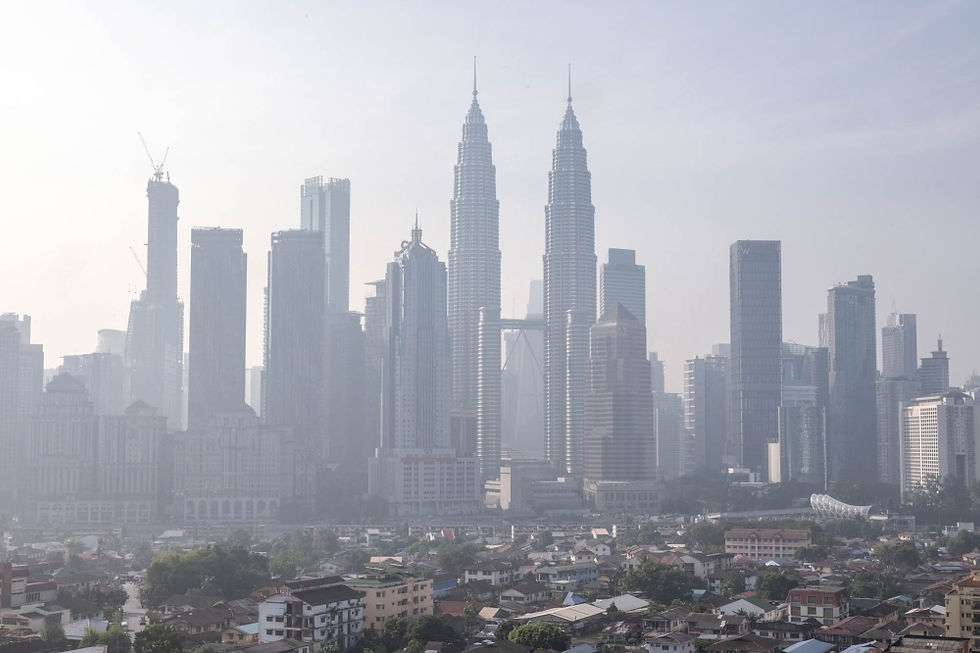
Improving AIR QUALITY
Switching to renewable energy-powered vehicles can reduce greenhouse gas emissions, improve air quality, and help combat urban air pollution, creating a healthier environment for the Malaysian community.
Embracing Sustainable Transportation
Driving Towards a Greener Future in Malaysia

Sustainable transportation is one of the effective and essential solution that can address the environmental issues such as resource depletion, greenhouse gas emissions, and global warming. By embracing public transit, opting for micro mobility alternatives, and shifting to vehicles powered by renewable energy, Malaysia can effective address the issue, ensuring a more environmentally friendly and greener future.
In summary, mobility is important to human daily life and plays a key role in city development and societal engagement. To advance to a greener mobility solutions, it is essentials to shift to more sustainable transportation options, contributing to an earth-friendly environment. The cooperation of the government and the people is important in achieving this mission. Hence, to move forward to a greener future, Malaysia government and its people must work together to implement and adopt sustainable transportation solutions.

Bridging the Gap: Integrating Public Transport with Micromobility
As Malaysia already has established public transportation systems, such as the Light Rail Transit (LRT), Mass Rapid Transit (MRT), buses, and Autonomous Rail Rapid Transit (ART), we can consider fully integrating micromobility facilities with the existing transit systems. Micromobility options, such as bikes and scooters, can be strategically placed at public transit hubs or stations to serve as a last-mile solution. This integration would greatly enhance the accessibility and sustainability of urban transportation, bridging the gap between public transit and daily commutes, making sustainable travel easier and more practical.

Our plan is to introduce the micromobility with a hybrid charging approach because we strive not only for green solutions but also for more energy-efficient transportation that reduces effort while maximizing power use. This approach combines pedaling to generate power, magnetism to assist movement, and regenerative braking to capture and store lost energy.
These hybrid bikes offer a clean, zero-emission, and affordable mobility solution that is user-friendly and provides commuters with a seamless, eco-friendly travel experience.
Micromobility with Hybrid Charging

Well-Planned Route For The Users
Apart from integrating with the public transit system, a comprehensive and well-planned track should be built for the micromobility users along the current road system in Malaysia to ensure public safety as the road users. Likewise, creating a safe environment for this transportation options may encourage more people to try these facilities, and gradually adopt to this sustainable transportation approach, thereby reducing the reliance on own car. This not only converts the greenhouse gas contributors into zero-emission users, but also significantly helps address the traffic congestion caused by the increasing of population in the urban area.

Introducing incentives for the micromobility users can significantly promote the adoption to these facilities. For example, implementing a rewarding system to encourage users to achieve certain milestones, and allowing them to redeem for free rentals or other benefits. Additionally, offering subscription plans or special rates for frequent users are also some practical strategies to not only make this concept more accessible but also foster long-term engagement. These plans may help develop an eco-friendly commuting practice among the public.